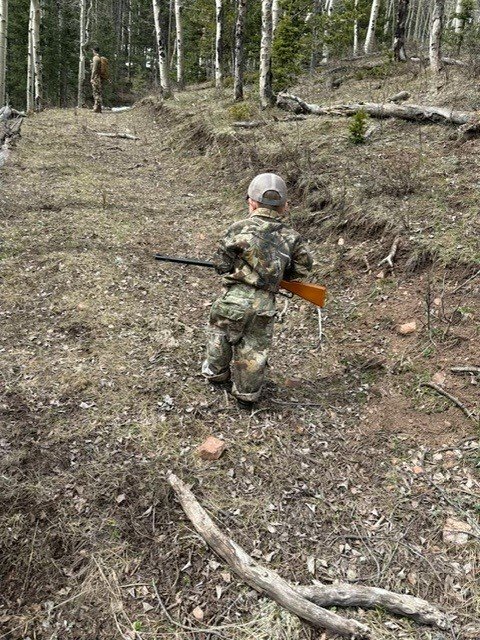
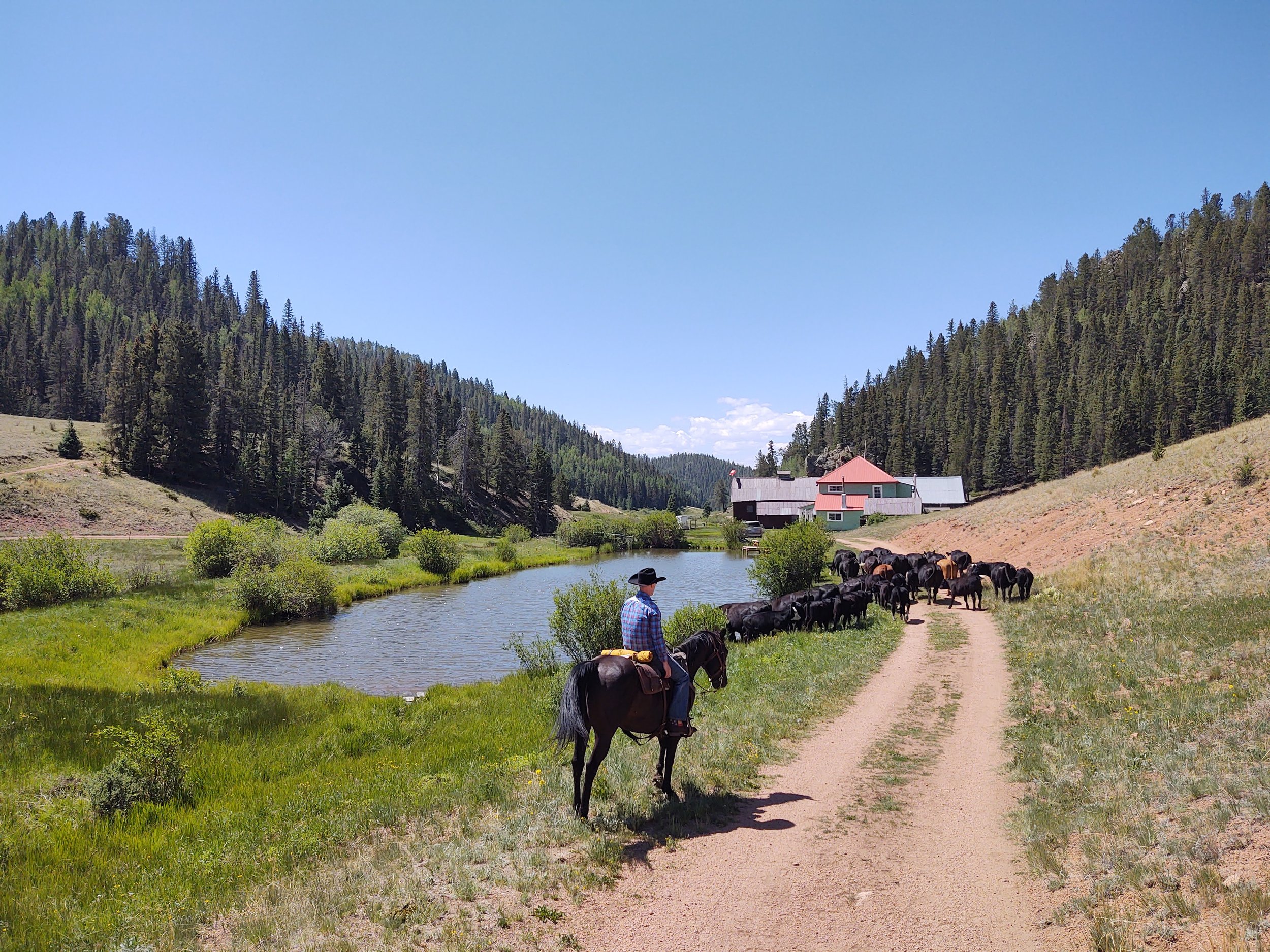
First light / morning
Thermals riseAs the sun warms the slopes, air flows uphill — and carries your scent up with it. Work with the elk above you or quartering across, so your wind drifts up into empty country, not down onto the herd.
Field skills · Wind + thermals
You can fool an elk's eyes and its ears. You cannot fool its nose — you can only stay downwind of it. How mountain thermals rise at dawn and sink at dusk, how to keep your scent off the herd, and how to set up on a bugling bull the wind hasn't already warned.
The one rule
Every elk hunter learns this the hard way at least once: you’re easing toward a bull, everything perfect, and then a swirl of wind puts your scent on the breeze and the woods empty out. An elk’s sense of smell is its life, and it trusts its nose over everything. No amount of camo, stillness, or calling matters if your scent reaches the animal first.
So good elk hunters don’t fight the wind — they obey it. They read the mountain’s thermals, they check the air constantly, and they shape every approach around keeping their scent off the elk. Learn the thermal clock below and you’re halfway to closing the deal.
The thermal clock
As the sun warms the slopes, air flows uphill — and carries your scent up with it. Work with the elk above you or quartering across, so your wind drifts up into empty country, not down onto the herd.
The most dangerous wind of the day. As thermals switch and the prevailing wind fights them, scent goes everywhere. Many hunters use midday to rest, glass, and reposition rather than make a committed stalk.
As the air cools, it flows downhill, pulling your scent down the slope. Now you want the elk below you or crosswind, approaching from above so your scent falls away behind you, not ahead onto feeding elk.
Thermals usually override the prevailing wind in steep country — but always confirm with a wind checker, because terrain bends the air.
Frequently asked
Because an elk's nose is its single best defense — far better than its eyes. An elk that catches your scent is gone, often without you ever knowing it was there, and once a bull winds you he's nearly impossible to fool again that day. You can beat an elk's eyes with stillness and its ears with care, but you cannot beat its nose; you can only stay downwind of it. Wind dictates every approach.
Thermals are the daily up-and-down air currents on a mountain, driven by heating and cooling. In the morning, the sun warms the slopes and air rises uphill; in the evening, the air cools and sinks downhill. These thermals usually override the general wind in steep country, and they're predictable — which is exactly why they're so useful. Read the thermal, and you know which way your scent is traveling.
Match your approach to the time of day. In the morning, with thermals rising, keep the elk above you or crosswind so your scent drifts up into empty country. In the evening, with thermals sinking, keep the elk below you or crosswind and come from above so your scent falls away behind you. Midday thermals swirl and are unreliable — a good time to sit, glass, and wait rather than commit to a stalk.
Carry a wind checker — a puff bottle of unscented powder — and use it constantly, not just once. A small squeeze shows you exactly where the air is moving at that moment, which can differ from what you feel on your face. Milkweed down, a pinch of dry dirt, or even a light ash also work. In broken mountain terrain the wind changes with every fold of ground, so check it again every time you move.
Get downwind, then close the distance. When a bull is bugling, the temptation is to go straight at him — but if your wind is drifting toward him, the setup is dead before it starts. Loop so the wind is in your face or quartering, use the terrain and thermals to mask your scent and sound, and set up where you can call him into a shooting lane from the downwind side. Most blown rut setups are blown by wind, not by calling.