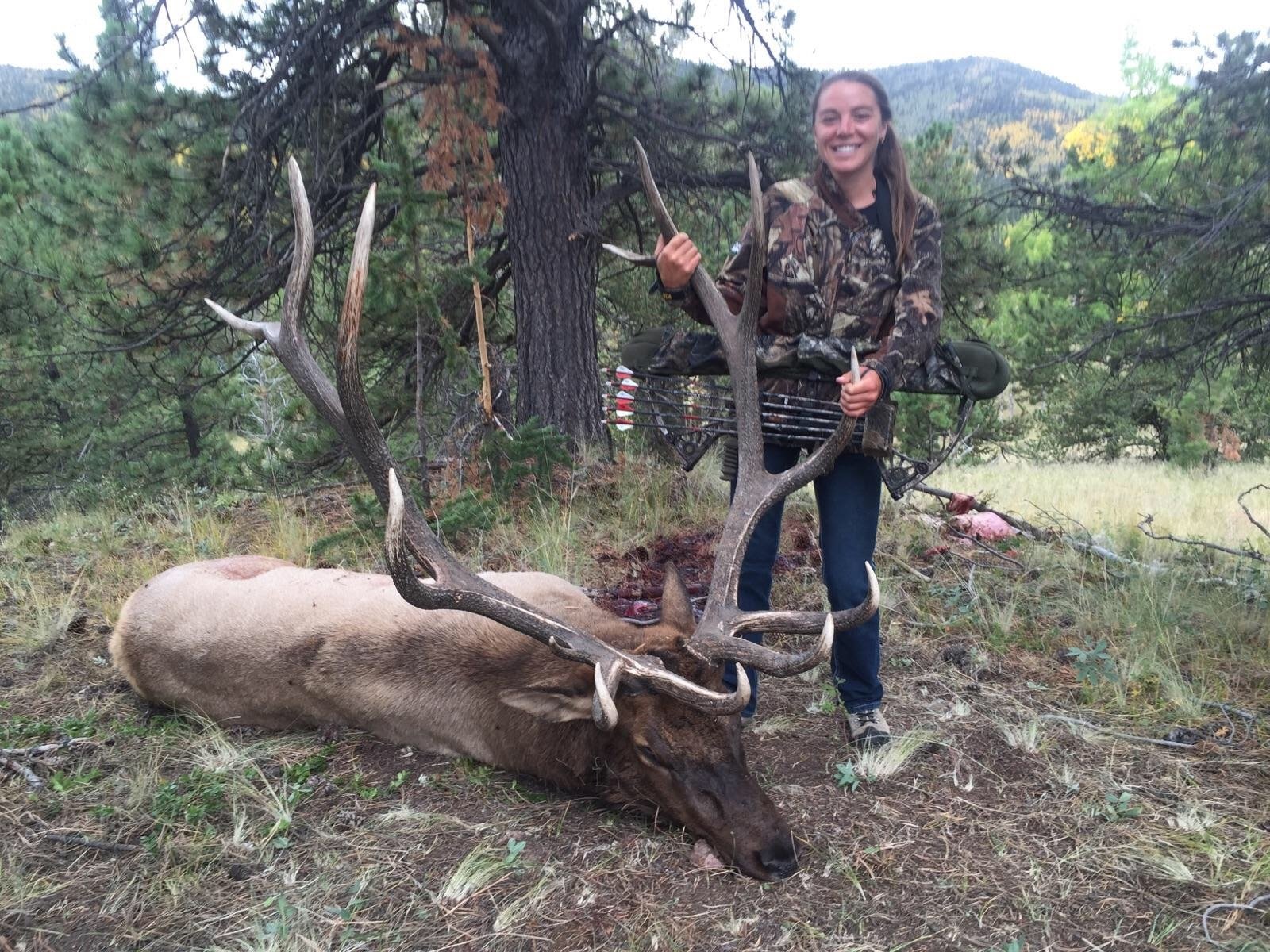
Colorado · Archery elk
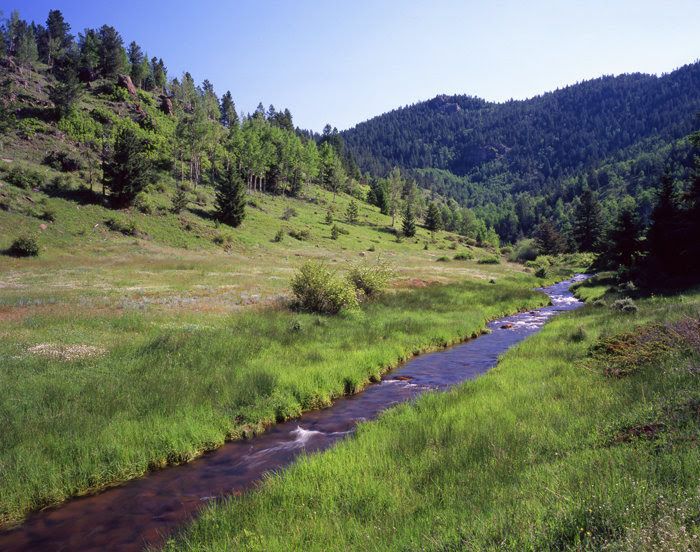
Archery bull elk on the south slope of Pikes Peak.
September archery (early Sept – late Sept). Spot-and-stalk + calling on the rut. Shorter days, closer animals, the loudest country of the year.
The hunt
Why archery on this country, in this window.
Archery is the rut hunt. The first three weeks of September on GMU 59 are when bulls bugle, cows respond, and the country closes around you. We get hunters into 40-yard setups on bugling bulls more often during archery than at any other time of year.
The shot windows are short — a bull working into a cow call doesn't stay put — but the setups are intimate. Most of our archery hunters take their bull at 30–50 yards from a ground blind we set during pre-scout or off a treestand on a wallow.
The challenge is the wind and the weather. September on the south slope of Pikes Peak has thermal patterns that shift every 60 minutes. Our guides know the country in those windows; we move you between three or four pre-rigged setups depending on what the thermals are doing.
How we hunt it
Three tactics that produce archery bulls here.
Calling sequences
Cow lead-in, single bugle response, location bugle if no answer. We don't run chest-thumping bugle battles every setup — the bulls here have heard everything by their third year and the over-aggressive bugler is the giveaway.
Wallow + bedding setups
We pre-rig four bowhunting blinds (two wallow, two bedding-edge transitions) on first-week scout. Bulls hit the wallows in the mid-morning thermal flip; the bedding edges work at first light and last light.
Spot + stalk on the bench
Old reliable. Glass from the East Beaver bench at first light, find a bull working a cow group, close on the wind. Most of our 40+ yard archery shots come this way.
Archery-specific gear
What to bring.
Full gear list lives on the hunting page. Below are the additions that matter specifically for archery.
- →Quiet, scent-controlled clothing — the wind shifts a lot
- →Hand-call (single-reed cow) + diaphragm + bugle tube
- →Rangefinder rated to at least 100 yards with angle compensation
- →Sharpened broadheads + at least 3 spares (the country eats arrows on misses)
- →Insulated layers for the dawn-to-9 AM cold; light layers for mid-day
Archery elk · frequently asked.
Do I need a bugle tube?
Helpful but not required. The guide carries one and runs the calling sequence on most setups. If you bring yours and want to call, we'll work that in.
What draw weight do I need?
60 lb is the practical floor for clean penetration on bull elk at our typical distances; 70 lb is the sweet spot. Compound, traditional, and crossbow are all welcome (CPW allows crossbow for archery season for hunters with permanent disabilities; if you're an able-bodied hunter, compound or traditional only).
Is the September weather hot?
Mornings 35–45°F, afternoons 65–75°F at the bench. Snow possible above 9,500 ft. The thermal flip mid-morning is the most reliable hunting window of the day.
Compare the seasons
Other elk weapon classes on this ground.
Muzzleloader
Tail end of the rut. Bulls still bugling, hunter density at its season-low. The shoulder window that rewards patience.
Read about muzzleloader →
Rifle
Four CPW windows. The reliable trophy hunt. Long days in the country, longer shots, the highest harvest rate of the season.
Read about rifle →
Book a archery season
Walk through the draw with us.
CPW draw applications open in early March. We coordinate the application, check landowner voucher availability for hunters wanting to bypass the draw, and hold the date once your tag is in hand.