Skip to content

The underrated hunt

Cow elk hunting.

No antlers, no trophy pressure — just the best-eating animal in the herd, an easier tag, more time in the field, and a real role in keeping elk numbers healthy. Why the antlerless hunt is one of the smartest in the West, especially for the freezer and for new hunters.

The case for the cow

Antlers aren’t the only reason to hunt.

Bull elk get the magazine covers, but the antlerless hunt quietly outperforms on the things that matter most to a lot of hunters: the meat, the odds of a tag, the cost, and the chance to actually be in the field. A cow elk that never went through the rut is some of the finest red meat in North America, and an antlerless tag is usually far easier to come by than a bull tag.

It’s also real conservation work — agencies lean on antlerless harvest to keep herds in balance with their range. Below: four reasons the cow hunt deserves more respect than it gets.

Four reasons

Why the cow hunt is smart.

01

The meat

A cow elk — or a young animal that never went through the rut — is some of the finest red meat you can put in a freezer, often milder and more tender than a hard-rutted bull. For hunters who hunt to fill the freezer, a cow is frequently the better eating animal, pound for pound.
02

More opportunity

Antlerless tags are more available than bull tags, often easier to draw, and sometimes sold over-the-counter or on the leftover list. That means a cow tag can put you in the field in a year when a bull tag won't, and at a lower cost.

03

Herd management

Wildlife agencies use antlerless harvest to keep elk numbers in balance with their range and to reduce conflict with agriculture. Filling a cow tag is hunters doing the management work the herd actually needs — not a consolation prize, a tool.

04

A great first elk

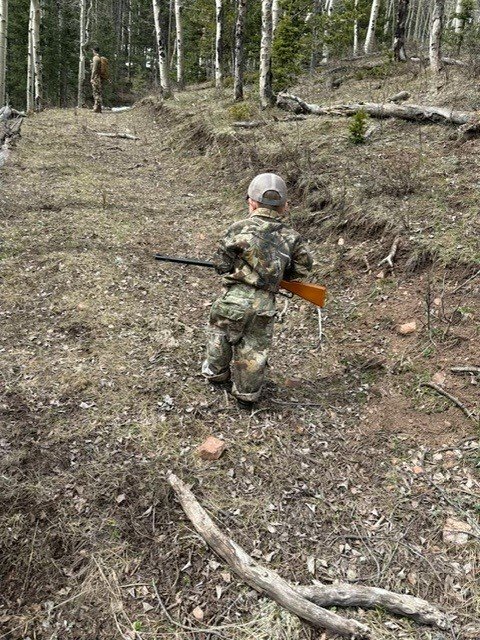
For a new or young hunter, a cow hunt removes the trophy pressure and focuses on the fundamentals — finding elk, making a clean shot, caring for the meat. It's one of the best ways to learn elk hunting and come home with a freezer full of reasons to do it again.

Frequently asked

Cow elk questions.

Is cow elk good to eat?

Yes — cow elk is excellent, often considered better eating than a mature bull. A cow (or a young animal) hasn't gone through the physical stress of the rut, so the meat is typically milder and more tender. Like all elk, the eating quality depends most on fast field care: cool and handle the meat quickly and it rivals the best beef.

Are cow elk tags easier to get?

Generally yes. Antlerless (cow) elk tags are more abundant than bull tags, often easier to draw, and in some states and units available over-the-counter or on the leftover list. Because agencies use antlerless harvest for herd management, they make more cow tags available — which is good news for hunters who want opportunity and meat over antlers.

Is cow elk hunting different from bull hunting?

The country and the fundamentals are the same — find elk, get into position, make a clean shot — but the tactics shift. Cows live in herds led by a vigilant lead cow, so you're often working many sets of eyes and ears at once, which can be harder than slipping up on a single rut-distracted bull. Calling is less central; glassing, patience, and wind discipline matter most.

Why hunt cow elk instead of a bull?

For meat, opportunity, cost, and management. A cow tag is usually easier to get and cheaper, the meat is often better eating, and the harvest supports healthy herd numbers. Many experienced hunters take a cow specifically to fill the freezer, and many new hunters start with a cow to learn without trophy pressure. It's one of the most underrated hunts in the West.

Does Elk Glade offer cow elk hunts?

Cow and management hunts depend on the year's tag allocation on GMU 59. The best way to find out what's available for a given season is to use the quote builder or call the ranch directly — antlerless opportunity varies with the herd unit's management needs and the current-year draw.