
Skip to content

Elk reference · Taxonomy

The types of elk.

Four living subspecies of North American elk, two that are gone. Range, body size, antler character, and the conservation stories — including the Tule elk that came back from a single breeding pair and the Eastern elk that didn't come back at all.

Living subspecies

The four that remain.

Rocky Mountain elk

Cervus canadensis nelsoni
Range
Rocky Mountains + reintroduced eastern herds
Size
Bulls 700–730 lb avg, to ~1,100
Antlers
The classic trophy rack — long main beams, symmetrical 6x6 'royal' bulls common in good units. The subspecies most associated with Boone & Crockett records.

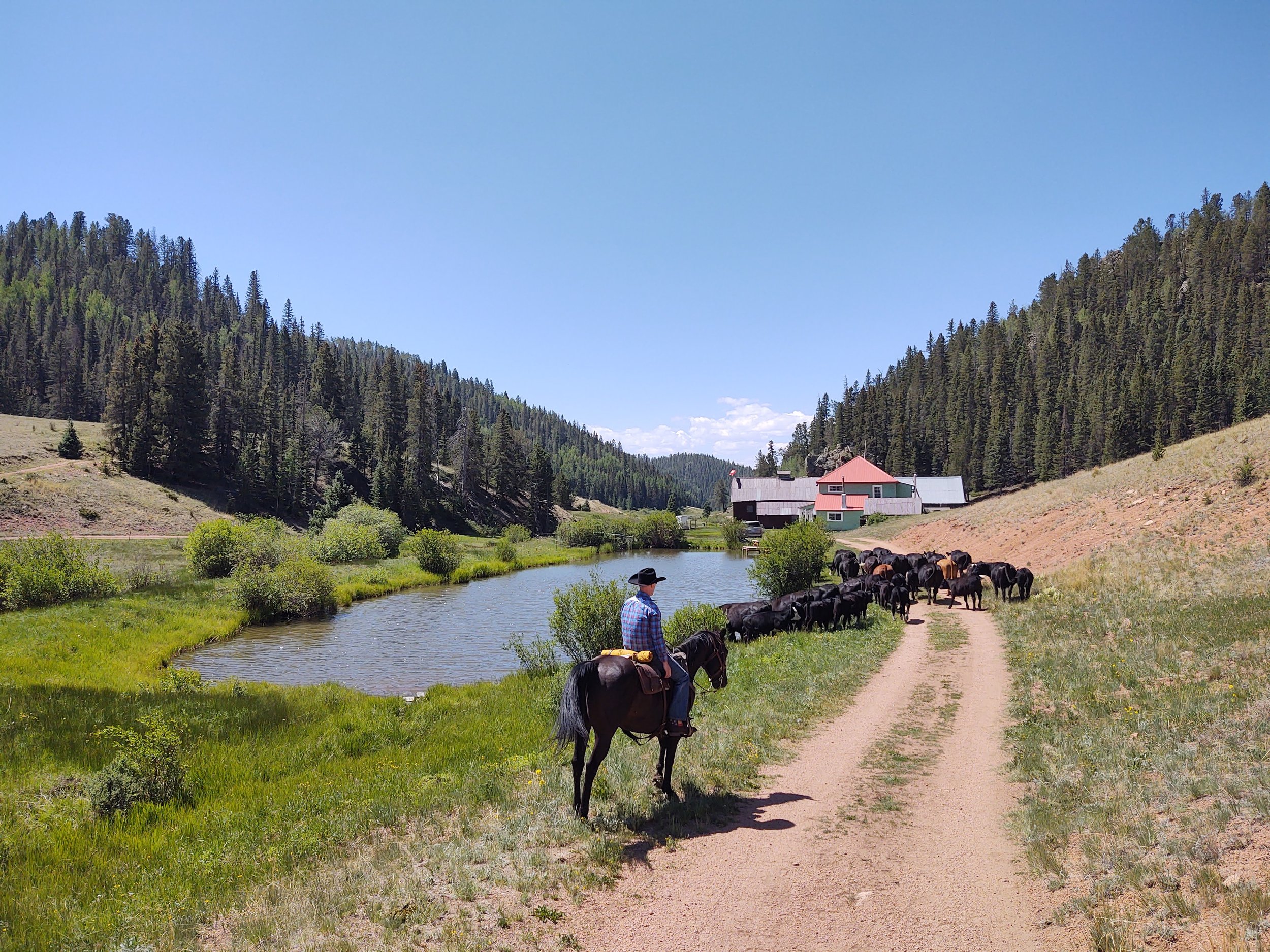
The most numerous and widely hunted subspecies, and the one at Elk Glade on GMU 59. Reintroductions have used Rocky Mountain stock to repopulate much of the elk's former range, including the eastern states.

Roosevelt elk

Cervus canadensis roosevelti
Range
Pacific Northwest rainforest — coastal OR, WA, CA, Vancouver Is.
Size
Largest-bodied — bulls to ~1,300 lb
Antlers
Heavier, more massive antlers but typically shorter beams than Rocky Mountain; often 'crowned' with cupped tops rather than long sweeping points.

Named for Theodore Roosevelt. The biggest elk by body mass, built for dense coastal temperate rainforest. The dark, wet timber keeps them harder to glass than open-country Rocky Mountain elk.

Tule elk

Cervus canadensis nannodes
Range
Endemic to California's Central Valley + coastal ranges
Size
Smallest — bulls 450–700 lb
Antlers
Proportionally smaller, adapted to a hot, dry, open grassland environment.

Once near extinction — down to a single breeding pair in the 1870s. A conservation recovery has rebuilt the population to several thousand in managed California herds. The smallest North American elk.

Manitoban elk

Cervus canadensis manitobensis
Range
Northern Great Plains — Manitoba, Saskatchewan, into the Dakotas
Size
Large-bodied, between Rocky Mtn and Roosevelt
Antlers
Massive antlers; large body. Adapted to prairie and aspen-parkland.

A prairie and aspen-parkland subspecies of the northern plains. Used in some reintroductions. Large-bodied with heavy antlers.

Extinct subspecies

The two that are gone.

Two North American elk subspecies were hunted to extinction within a few decades of European market hunting. The herds that occupy their former range today are Rocky Mountain elk, reintroduced.

Eastern elk

Cervus canadensis canadensis

Once ranged across the eastern United States and southern Canada. Hunted out and gone by the late 1800s; declared extinct in 1880. Today's eastern elk herds (Kentucky, Pennsylvania, Tennessee) are Rocky Mountain elk reintroduced into the Eastern elk's former range — not the original subspecies.

Merriam's elk

Cervus canadensis merriami

Ranged the desert mountains of the Southwest — Arizona, New Mexico, and into Mexico. Extinct by about 1906. The elk in Arizona and New Mexico today are reintroduced Rocky Mountain elk occupying Merriam's old country.

The comparison people search for

Roosevelt vs. Rocky Mountain elk.

The two most-discussed subspecies sit at opposite ends of the body-vs-antler trade. Roosevelt elk are the heavier animal — bulls to 1,300 pounds — built for the dark, wet coastal rainforest of Oregon, Washington, and northern California. Their antlers are massive and heavy but tend to be shorter-beamed and often crowned with cupped tops.

Rocky Mountain elkare slightly lighter in body but carry the long, sweeping, symmetrical beams that define the classic trophy bull and dominate the Boone & Crockett record book. They live in more open country — the aspen-and-conifer benches of the interior West — which makes them more huntable by glass-and-stalk than the timber-bound Roosevelt.

For a hunter, the practical difference is country and tactic: Roosevelt elk mean dense timber and close work; Rocky Mountain elk mean open glassing and longer setups. Elk Glade hunts Rocky Mountain elk on GMU 59.

Frequently asked

Elk subspecies questions.

How many subspecies of elk are there?

There are four living subspecies of North American elk — Rocky Mountain, Roosevelt, Tule, and Manitoban — and two that went extinct in historic times, the Eastern elk (gone by 1880) and Merriam's elk (gone by ~1906). All belong to the species Cervus canadensis. Asian elk subspecies (such as the Manchurian and Tian Shan wapiti) exist as well but are outside North America.

What is the largest subspecies of elk?

The Roosevelt elk (Cervus canadensis roosevelti) is the largest-bodied subspecies, with bulls reaching about 1,300 pounds. They live in the dense temperate rainforests of the Pacific Northwest coast. Rocky Mountain elk are slightly smaller in body but often carry longer, more symmetrical antlers prized by trophy hunters.

What is the smallest subspecies of elk?

The Tule elk (Cervus canadensis nannodes), endemic to California, is the smallest North American subspecies — bulls weigh 450–700 pounds. The Tule elk nearly went extinct in the 1870s, dropping to a single known breeding pair, before a conservation recovery rebuilt the population to several thousand.

What kind of elk live in the eastern United States?

The elk in Kentucky, Pennsylvania, Tennessee, and other eastern states are Rocky Mountain elk, reintroduced beginning in the 20th century. The original Eastern elk subspecies (Cervus canadensis canadensis) was hunted to extinction by 1880, so the modern eastern herds are restorations using western stock, not the original animal.

Which elk subspecies does Elk Glade hunt?

Elk Glade guides Rocky Mountain elk (Cervus canadensis nelsoni) on GMU 59, on the south slope of Pikes Peak, Colorado. Rocky Mountain elk are the most widely distributed and most hunted subspecies, and the one most associated with the classic long-beamed trophy bull.

From the page to the field

Hunt elk where the herd is largest.

Elk Glade guides bull elk on GMU 59 limited entry, on the south slope of Pikes Peak — inside the largest elk population on Earth. Archery, muzzleloader, and four rifle seasons.